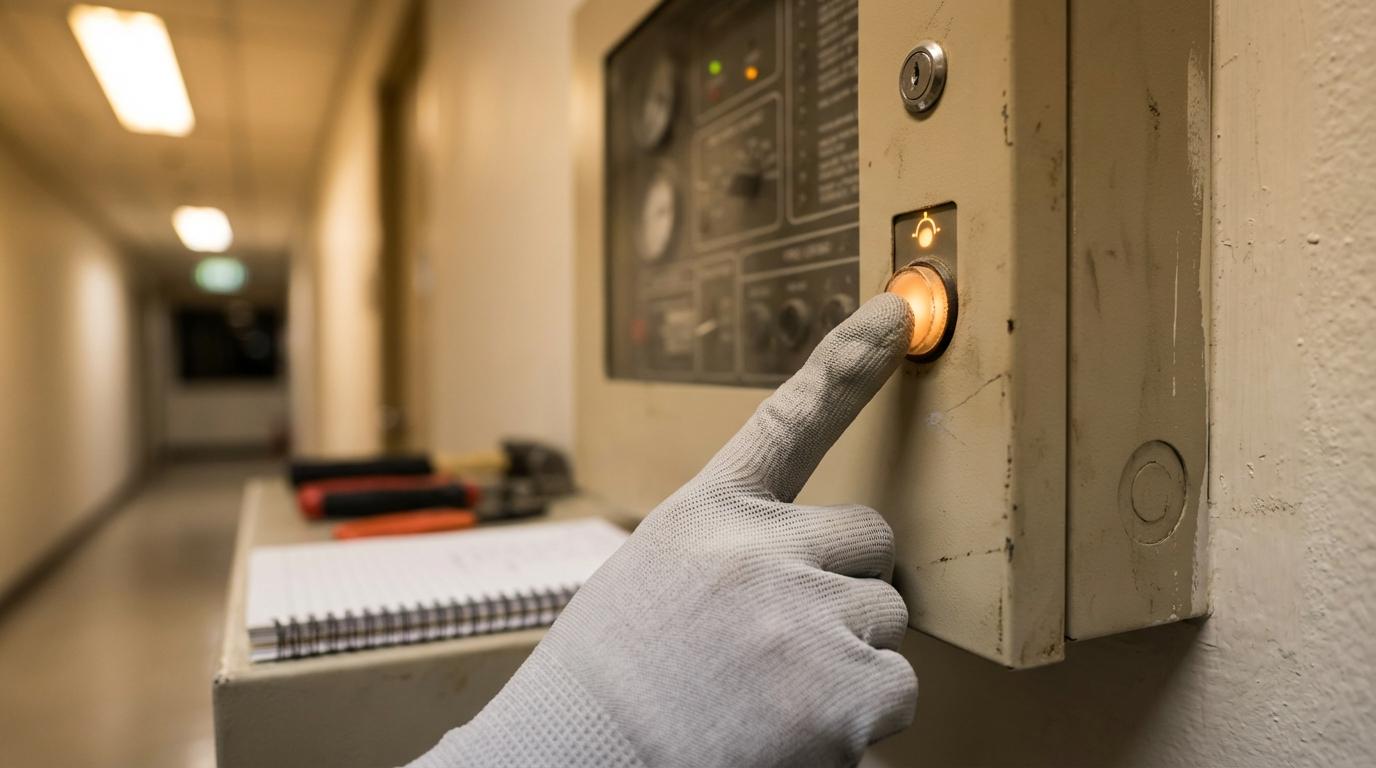
A well-designed fire alarm system gives people time to act, protects property, and supports the everyday confidence that a building is ready for the unexpected. In Milton Keynes, that can mean anything from a family home with interlinked detectors to a busy workplace needing clear zoning, dependable sounders, and a traceable maintenance record.
Dream Home Experts Ltd provides fire alarm installation and ongoing maintenance across Milton Keynes and surrounding areas, with NICEIC-accredited electrical workmanship and a practical, safety-first approach. The aim is simple: the right level of detection, clear warning, and dependable performance, backed by proper testing and documentation.
Fire alarm installation that fits the building and its risks
Fire alarm design should reflect how a building is used, how people move through it, and what could realistically go wrong. A small office with a single stairwell is not the same as a multi-tenant property, a warehouse, or a public-facing venue with changing occupancy.
Installations typically start with a survey of the premises and a discussion about expectations, constraints, and timescales. Cabling routes, device locations, audibility, and zoning are planned so the system works day after day, not just on commissioning day.
System types available (and when each makes sense)
Different fire alarm architectures solve different problems. Some clients need pinpoint identification of the activated detector; others need a simpler zoned arrangement that remains easy to manage.
The most common options include:
| System type | What it gives you | Best suited to |
|---|---|---|
| Conventional (zonal) | Detection split into zones, straightforward panel operation | Smaller commercial sites, simple layouts |
| Addressable | Each device has a unique identity, detailed information at the panel | Larger or more complex buildings |
| Wireless / hybrid | Reduced cabling disruption, flexible device placement | Retrofits, listed features, sensitive finishes |
| Domestic interlinked alarms | Coordinated alerting across rooms and floors | Houses, flats, some landlord scenarios |
Device choices can include smoke detection, heat detection, and manual call points, selected to reduce unwanted activations while still giving early warning where it matters.
Standards, legal duties, and the paperwork that proves it
Fire alarm work sits within a wider framework of building safety duties. In non-domestic premises, the Regulatory Reform (Fire Safety) Order 2005 places responsibilities on the “responsible person” to keep fire precautions in efficient working order, including alarms and warning systems.
Installations and maintenance are normally carried out in line with the relevant British Standards, including BS 5839-1 for non-domestic systems and BS 5839-6 for domestic premises. Good practice also includes clear handover information, user guidance, and accurate records for ongoing testing.
You should expect your installer to supply appropriate certification and commissioning information, and to leave you with a clear route for future servicing and callouts.
Planned maintenance that reduces faults and false alarms
A fire alarm system is only as good as its condition on the day it is needed. Dust, building works, battery degradation, ageing sounders, and accidental damage can all affect performance. Routine servicing keeps the system dependable and cuts down on disruptive false alarms.
Maintenance contracts are a practical option for landlords, facilities teams, and business owners who want scheduled visits, predictable costs, and a clear audit trail. Servicing can also be arranged as a one-off, including takeovers of existing systems where the history is unclear.
During a typical service visit, attention is given to both performance and record keeping:
- Visual checks: call points, detectors, sounders, panel condition, damage or obstruction
- Functional testing: device operation, cause-and-effect verification, audibility and warning operation
- Power integrity: mains supply checks, standby batteries, fault monitoring
- Logbook support: clear service notes, recommendations, and fault rectification priorities
If a fault is found, remedial work can often be completed quickly, with parts replaced where required and re-testing carried out to confirm the system is back to normal.
Who the service is for in Milton Keynes
Fire alarm needs vary sharply by sector, yet the goal stays the same: prompt warning and reliable operation. Installations and maintenance can be provided across domestic, commercial, industrial, and public sector settings.
This is commonly useful for:
- Homeowners improving protection during refurbishments
- Landlords managing rental properties and HMOs
- Shops, offices, and mixed-use units
- Warehouses and light industrial premises
- Schools, healthcare settings, and community buildings
In each case, the work should respect how the building operates, keeping disruption low while still meeting the required standard.
A clear installation process, from first visit to handover
Good outcomes come from a structured approach, with design decisions made early and verified properly at the end. A typical project follows a sequence that keeps responsibilities clear and avoids surprises.
- Site survey and requirements review, including risk profile and building layout
- Design proposal, including device positioning, panel location, zoning, and cabling routes
- Installation by qualified engineers, with tidy routing and safe fixing of all devices
- Commissioning and testing, with results recorded and faults resolved
- Handover, including user guidance, logbook information, and certification
If you have other life-safety systems on site, planning can also include how they should respond when the alarm activates.
24/7 fault response when an alarm will not settle
Alarm faults rarely arrive at a convenient time. A panel fault, a repeating false alarm, or a device that will not reset can halt trading, disrupt residents, and create immediate safety concerns.
Dream Home Experts Ltd offers 24/7 emergency electrician callouts, which can be valuable when you need safe isolation, rapid fault finding, or urgent repairs to restore normal operation. Common callout causes include detector contamination, battery faults, water ingress, damaged call points, and wiring issues after building works.
Integration with other safety and electrical systems
Fire alarms often interact with the wider electrical environment. Emergency lighting, access control, door entry, and other safety measures can need coordinated behaviour in an alarm condition, depending on the premises and its fire strategy.
Having NICEIC-accredited electrical contractors on the job helps keep interfaces safe and properly installed, especially where containment, supplies, or circuit segregation matter. It also supports consistent standards across your electrical installation, testing, and ongoing maintenance.
Upgrades, additions, and system takeovers
Buildings change. Layouts are reworked, tenancies shift, and usage intensifies. A system that suited the building five years ago may now need additional detection, revised zoning, clearer sound coverage, or a panel upgrade.
Support can include expanding an existing system, replacing ageing devices, improving resilience after repeated faults, and taking over maintenance of systems installed by others. The goal is to keep your fire alarm fit for the building you have today, with documentation and servicing that stand up to scrutiny.