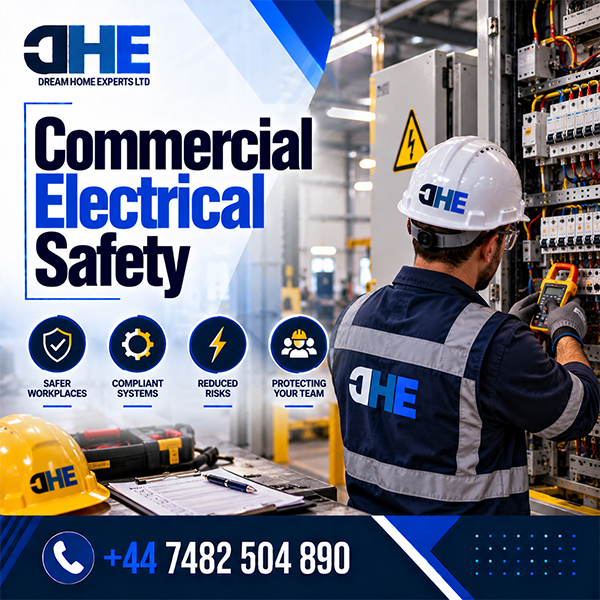
Commercial electrical safety comes down to a mix of scheduled inspection, staff awareness, and taking small warning signs seriously before they turn into a bigger problem. Every business, regardless of size, carries some level of electrical risk, but most incidents are genuinely preventable with the right habits in place.
Core Commercial Electrical Safety Practices Every Business Should Follow
A handful of practices form the foundation of good commercial electrical safety across most business types:
- Regular EICR inspections, typically every 5 years for most commercial premises
- PAT testing of portable appliances on a schedule matched to how often they’re used
- Fire alarm testing, weekly in-house checks plus an annual professional service
- Emergency lighting testing, monthly function checks and an annual full duration test
- Visual checks by staff for scorch marks, warm sockets, or exposed wiring
- Clear reporting procedures so staff know exactly who to tell if something seems wrong
Why These Basics Get Overlooked
Most commercial electrical incidents don’t happen because a business ignored safety entirely. They happen because a scheduled check slipped, a warning sign got dismissed as minor, or responsibility for a specific task was never clearly assigned to anyone. Building these practices into a routine, rather than treating them as occasional tasks, closes most of that gap.
Common Hazards in Commercial Buildings
Certain risks show up repeatedly across offices, retail units, and warehouses:
- Overloaded sockets and extension leads, particularly in older buildings not wired for today’s equipment
- Outdated fuse boards without RCD protection
- Damaged or worn cabling, often hidden behind furniture or under flooring
- Water near electrical equipment in kitchens, washrooms, or cleaning storage areas
- DIY electrical work carried out without proper certification
- Blocked access to fuse boards or emergency lighting, slowing response during an actual fault
None of these need specialist training to notice. They need someone actually looking, on a schedule, rather than only after something has already gone wrong.
Staff Training and Awareness
Even the most thorough inspection schedule leaves gaps between visits, which is exactly where staff awareness matters. Basic training should cover recognising warning signs like buzzing switches or a burning smell, understanding not to overload sockets or bypass safety features, and knowing precisely who to contact if something seems off. Businesses across Kiln Farm, Knowlhill, and Winterhill often build this into new staff onboarding, so awareness doesn’t rely on long-serving employees remembering to mention it.
Building Compliance Into a Maintenance Schedule
Reactive-only businesses often find compliance items lapse quietly: a PAT testing interval missed, a fire alarm service pushed back, an EICR renewal date passed without anyone noticing. A structured maintenance schedule, covering daily checks, monthly tests, and annual compliance work in one plan, removes the guesswork and keeps things consistent rather than dependent on memory.
Businesses that switch from a reactive approach to a planned schedule after a near-miss rarely go back, since the cost of consistent, scheduled attention is usually smaller than the disruption of a single unplanned failure.
What Happens When Safety Gets Neglected
Faulty wiring remains one of the leading causes of commercial fires in the UK. Beyond the direct safety risk, a serious incident can mean business downtime, damaged stock, HSE involvement, and insurance disputes if a business can’t demonstrate it took reasonable steps to maintain its electrical systems. Landlords in multi-tenant buildings face additional complications if a fault in one unit affects shared systems.
Extra Considerations for Multi-Tenant and Rented Premises
Shared buildings add a layer that single-occupancy premises don’t have to consider. A landlord typically holds responsibility for the building’s shared electrical infrastructure, while individual tenants are usually responsible for their own fit-out and equipment. Confirming exactly where that line sits, in writing, avoids disputes if a fault turns up and neither party is sure who should be arranging the repair.
Tenants renting units around Caldecotte or Winterhill should check their lease specifically for what electrical inspections the landlord already covers, and whether any equipment they’ve installed themselves needs separate testing arranged on their own account.
Get a Commercial Electrical Safety Assessment
Commercial electrical safety works best as an ongoing plan rather than a reaction to a near-miss or a failed inspection. Dream Home Electrical has 35 years of experience carrying out commercial electrical compliance and safety work across Milton Keynes, and our commercial team can assess your premises and build a plan tailored to your specific risks.
Want a commercial electrical safety assessment for your business? Get in touch with our commercial team for a free consultation, or call us on 01908 464431.
Frequently Asked Questions
What’s the most common electrical hazard in commercial buildings?
Overloaded sockets and extension leads, especially in older buildings not wired for modern equipment levels.
How often should a commercial building have an EICR?
Typically every 5 years, though higher-risk premises may need testing more frequently.
Do staff need electrical safety training?
Basic awareness training helps staff spot warning signs early, even without formal electrical qualifications.
What should happen if a staff member notices a hazard?
They should report it immediately through a clear, known process rather than assuming someone else will notice.
Can DIY electrical work be a safety risk in a commercial building?
Yes. Uncertified DIY work is a common cause of hazards and can also affect insurance validity.
How can a business stay consistently compliant?
A structured maintenance schedule combining daily checks, monthly tests, and annual inspections in one plan.