Electrical Upgrades: 8 Essential Ideas for a Safer Home
On this page
The most essential electrical upgrades for most UK homes are a modern consumer unit with RCD protection, enough sockets, good smoke and heat alarms, and wiring that is safe for how you live now. A renovation is the best time to do them, because walls and floors are already open. This guide covers eight upgrades worth considering and how to plan them properly.
We are NICEIC approved domestic electricians in Milton Keynes with 35+ years of experience in rewires, extensions and renovations.
Start With a Safety Check
Before you plan any essential electrical upgrades, find out what condition your existing installation is in. An Electrical Installation Condition Report (EICR) tells you whether the wiring, consumer unit and earthing are safe, and what needs attention.
Electrical Safety First recommends that owner-occupiers have their electrics checked every ten years. It also says that if the electrics in a home are more than 50 years old, they should be checked and updated. If your home has not been checked recently, do this first. It may change your priorities.
8 Essential Electrical Upgrades for Your Home
Not every home needs all of these essential electrical upgrades. Use the list to decide what matters for your property and budget.
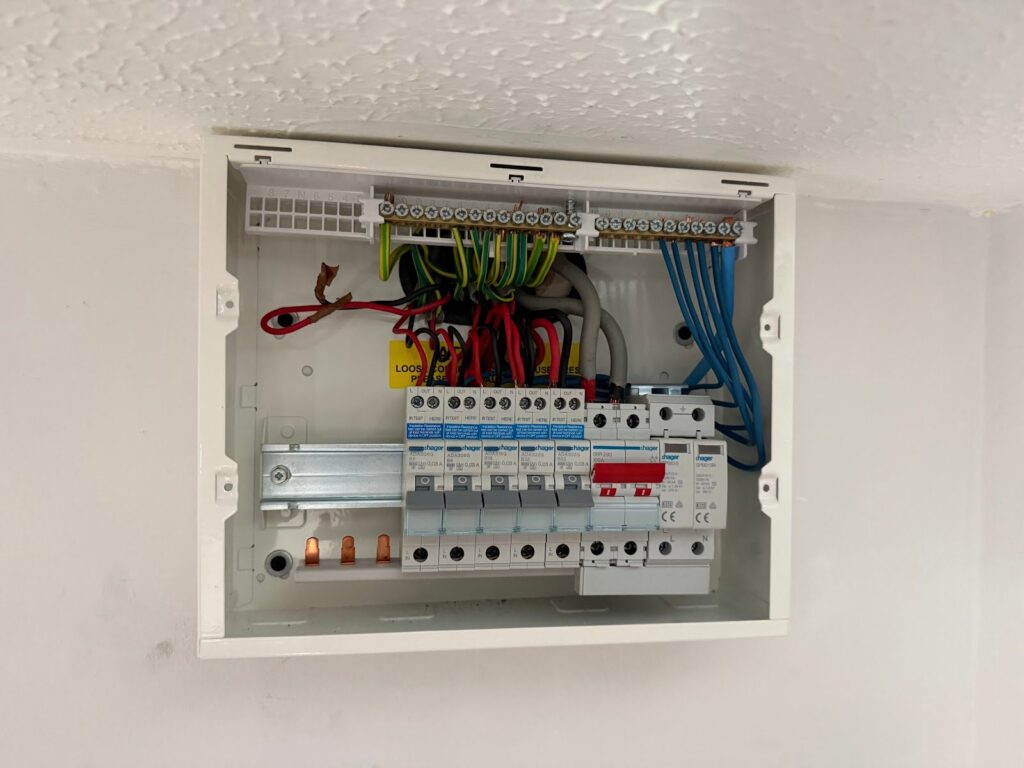
1. A Modern Consumer Unit With RCD Protection
The consumer unit, or fuse box, controls and protects every circuit in your home. Older units may have rewireable fuses and no RCDs. RCDs switch off the power fast if current leaks to earth, which can prevent a fatal shock. To check, look for a “Test” or “T” button on your unit. If there is none, speak to an electrician. Our guide to fuse box replacement cost explains what is involved.
2. More Sockets in the Right Places
Most homes were wired for far fewer devices than we use today. Extension leads and adaptors trailing across rooms are a sign you need more sockets. Adding them during a renovation is quick and tidy. Think about where you charge phones, work from home and put the TV. USB sockets are a useful option in kitchens and bedrooms.
3. Smoke and Heat Alarms
Working alarms give you time to get out. Mains-powered alarms with a battery backup, linked so they all sound together, are a common upgrade during renovations. A heat alarm suits kitchens, where smoke alarms can go off when you cook. Your electrician can advise on positions for your layout.
4. LED Lighting and Better Controls
LED lighting uses less energy and lasts longer than older bulbs. A renovation is a good time to add downlights, under-cabinet lights or dimmers, and to plan switching so it suits how you use each room. Make sure fittings are suitable for the location, especially in bathrooms and ceilings below lofts.
5. An EV Charger
If you drive an electric car or plan to, a dedicated home charger is safer and more practical than a domestic socket. Your electrician will check whether your supply and consumer unit can take the extra load. See our guide to the best EV charger for home for help choosing.
6. Outdoor Lighting and Power
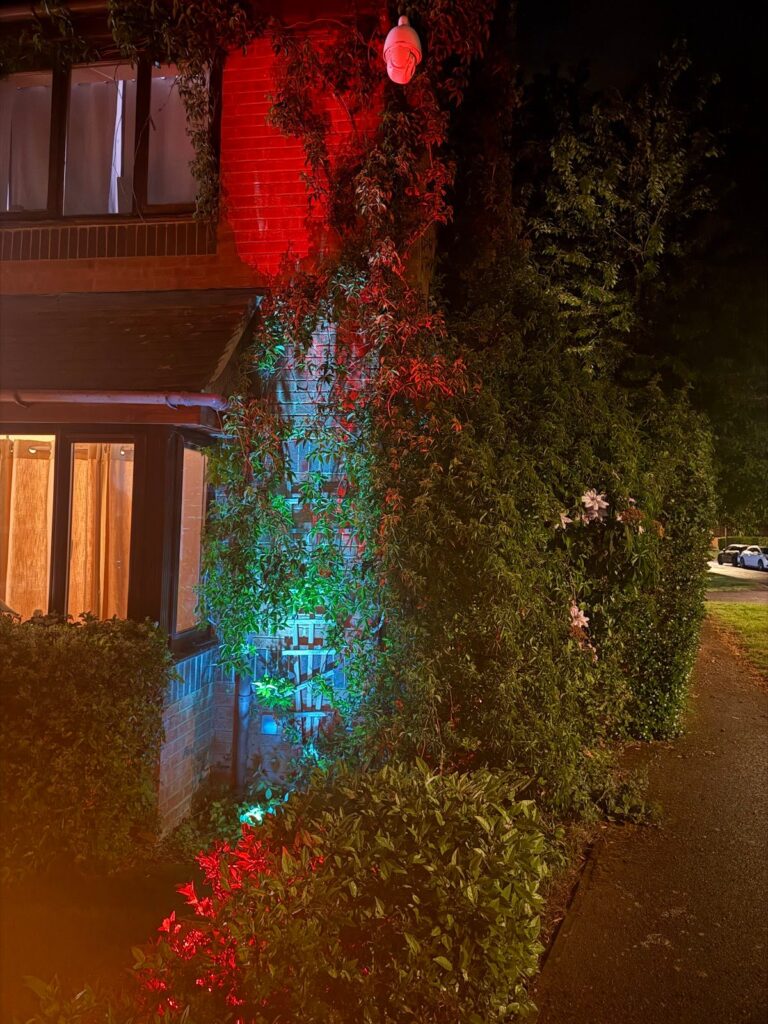
Garden lighting, outdoor sockets and power to a garden room or shed make outdoor space far more useful. Outdoor circuits need the right cable, protection and weatherproof fittings, so this is a job for an electrician rather than DIY.
7. Smart Controls
Smart thermostats, lighting and switches let you control your home from your phone. Many need a neutral wire at the switch or a suitable power supply, which is easier to install when walls are open.
8. A Partial or Full Rewire
If your EICR shows old or damaged wiring, a rewire may be the most important of all the essential electrical upgrades. It is disruptive, so doing it during a renovation saves redecorating twice. Our guide to the cost to rewire a house covers what affects the price.
Planning Essential Electrical Upgrades Properly
Good planning keeps essential electrical upgrades safe, legal and on budget. Here is what we recommend.
Use a Registered Electrician
Some electrical work in homes falls under the Building Regulations. GOV.UK lists replacing fuse boxes and changing electrics near a bath or shower among the jobs that may need approval. It also says you do not need to get approval yourself if you use someone registered with a competent person scheme. Without approval, you may not have the certificates you need when you sell your home.
Plan Early With Your Builder
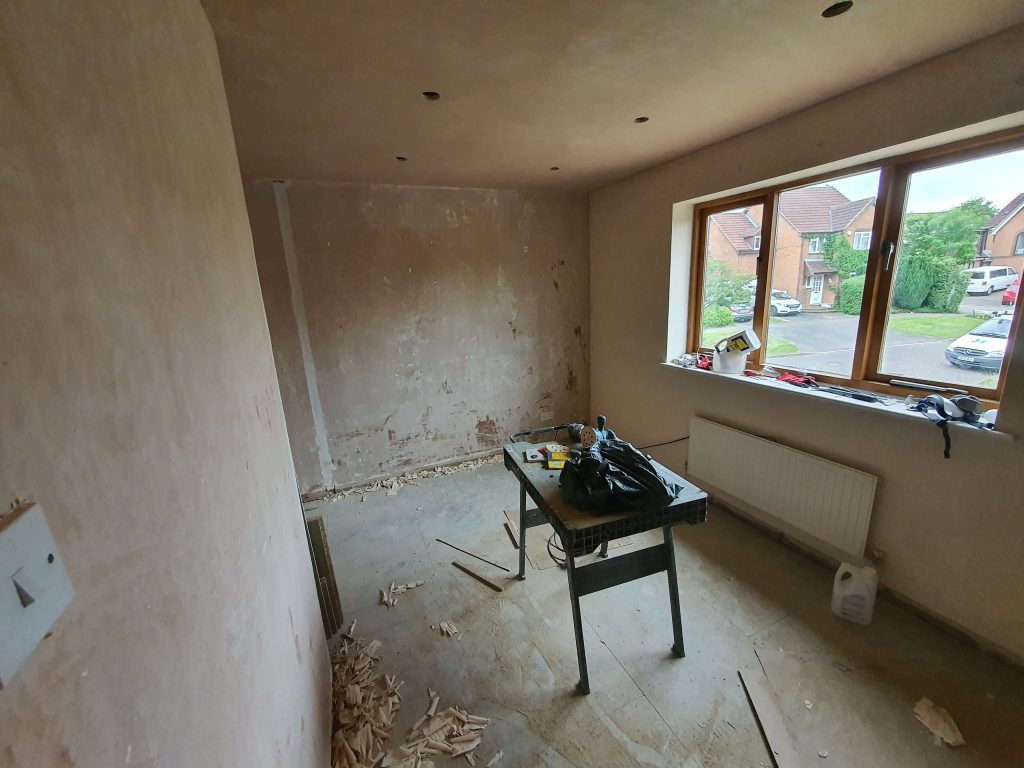
Electrical work happens in two stages. First fix runs cables before plastering. Second fix fits sockets, switches and lights afterwards. Agree positions for all your essential electrical upgrades before first fix, because moving them later costs time and money.
Think About Future Needs
The best essential electrical upgrades also allow for the future. Add capacity now for things you may want later, such as an EV charger, a garden room or extra kitchen appliances. Spare ways in the consumer unit and well-placed cable routes make future work simpler.
Know What the Current Regulations Mean for You
New electrical work must meet the current Wiring Regulations. The current edition is BS 7671:2018+A4:2026. This applies to new work, including any essential electrical upgrades, and to inspections. It does not mean an older installation is automatically unsafe because it does not match the latest edition.
Common questions
What are the most essential electrical upgrades for an older home?
Start with an EICR. The most common priorities are a modern consumer unit with RCD protection, smoke and heat alarms, and replacing old or damaged wiring.
Do I need a certificate for essential electrical upgrades?
For notifiable work, yes. A registered electrician will give you an electrical certificate and notify the work, so you have the paperwork you need when you sell.
Can I do electrical upgrades myself?
Some small jobs may be within a competent DIYer’s ability, but work such as replacing a consumer unit or work near a bath or shower may need Building Regulations approval. For safety, use a registered electrician.
When is the best time to upgrade my electrics?
The best time for essential electrical upgrades is during a renovation, before plastering. Cables can be run without damaging finished walls, which saves time and redecorating.
Will an EICR tell me which upgrades I need?
It tells you what is unsafe or needs improvement. Your electrician can then advise on upgrades that suit how you use your home.
Last checked: 31 October 2026.
Planning a renovation? Our domestic electricians can survey your home and plan the right upgrades. Call 01908 464 431 to book a visit.
Power problem right now?
24/7 emergency electricians across Milton Keynes.