Cost to Rewire a House: 7 Essential UK Price Factors

On this page
- Typical Cost to Rewire a House by Property Size
- What Pushes the Cost to Rewire a House Up or Down
- Full Rewire vs Partial Rewire
- Hidden Costs to Budget For
- How Long a Rewire Takes and Why It Affects the Cost to Rewire a House
- When to Rewire to Keep Costs Down
- Certificates and Building Regulations
- How to Get an Accurate Quote
- Common questions
The cost to rewire a house in the UK typically runs from about £3,000 for a one-bedroom flat to £12,500 or more for a large five-bedroom home, based on the MyBuilder price guide. Where your home sits in that range depends on its size, how easy the cables are to reach, and how much making good you need afterwards. This guide explains each factor so you can budget before you ask for quotes.
Prices below are typical ranges, not quotes. Every property is different, so the real figure always varies by property.
Typical Cost to Rewire a House by Property Size
Size is the biggest single driver, because it sets the number of circuits, sockets and lights. The MyBuilder rewiring price guide gives these typical UK ranges:
- 1-bedroom flat: £3,000 to £4,800
- 3-bedroom house: £4,500 to £8,000
- 5+ bedroom house: £7,500 to £12,500
The same guide puts labour for a typical project at around £2,000 to £5,000, and notes that London prices can be 20 to 30% higher than the North or rural areas. NICEIC’s rewiring guide gives a similar picture: a rewire can range from a couple of thousand pounds for small jobs to £10,000 or more for large, complex ones.
Our practical comment: treat these figures for the cost to rewire a house as a starting point for your budget. A two-bedroom terrace with easy floor access can come in well under a similar-sized house with solid floors and fragile old plaster.
What Pushes the Cost to Rewire a House Up or Down
Beyond size, a handful of practical factors decide where the cost to rewire a house lands in the range.
Access to floors, walls and ceilings
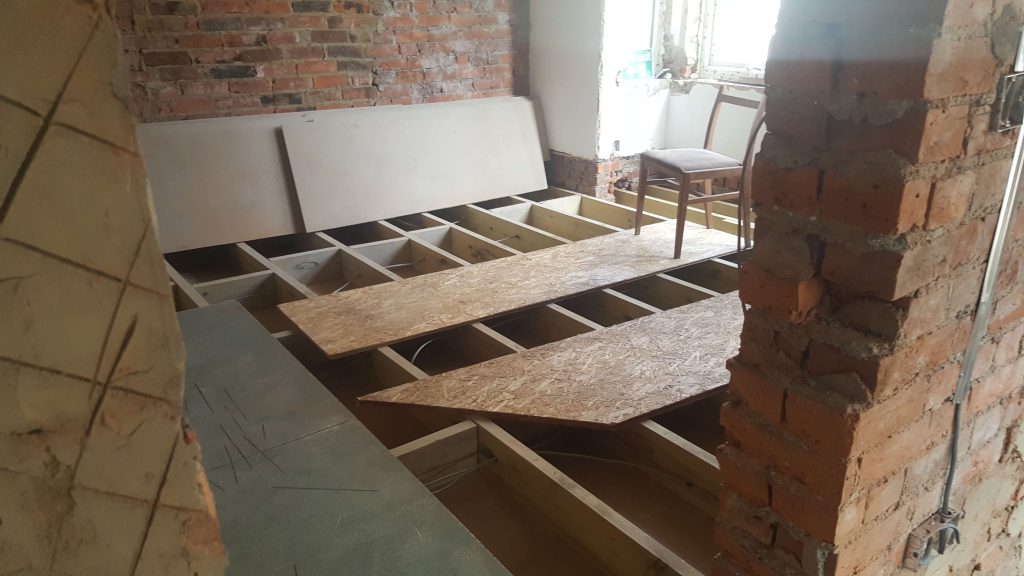
Suspended timber floors and loft space make cable runs quicker. Solid concrete floors, plastered ceilings and tight voids mean more chasing and more time, which adds labour and raises the cost to rewire a house.
Number of sockets, lights and circuits
Every extra socket, light point and dedicated circuit adds materials and time. Rewiring is a good moment to add sockets where you actually need them, but each one adds to the bill.
Whether the home is occupied
An empty house is faster to work in. If you live there during the work, the electrician has to keep some power on and move room by room, which usually takes longer.
Upgrades you add
MyBuilder lists a new consumer unit at roughly £400 to £800 and smart wiring at £500 to £1,500 as typical add-ons. Extra items such as outdoor lighting, an EV charger supply or data cabling also change the total cost to rewire a house.
Full Rewire vs Partial Rewire
A partial rewire can cut the cost to rewire a house, but only if the wiring you keep is in good condition. That is why a proper inspection should come first.
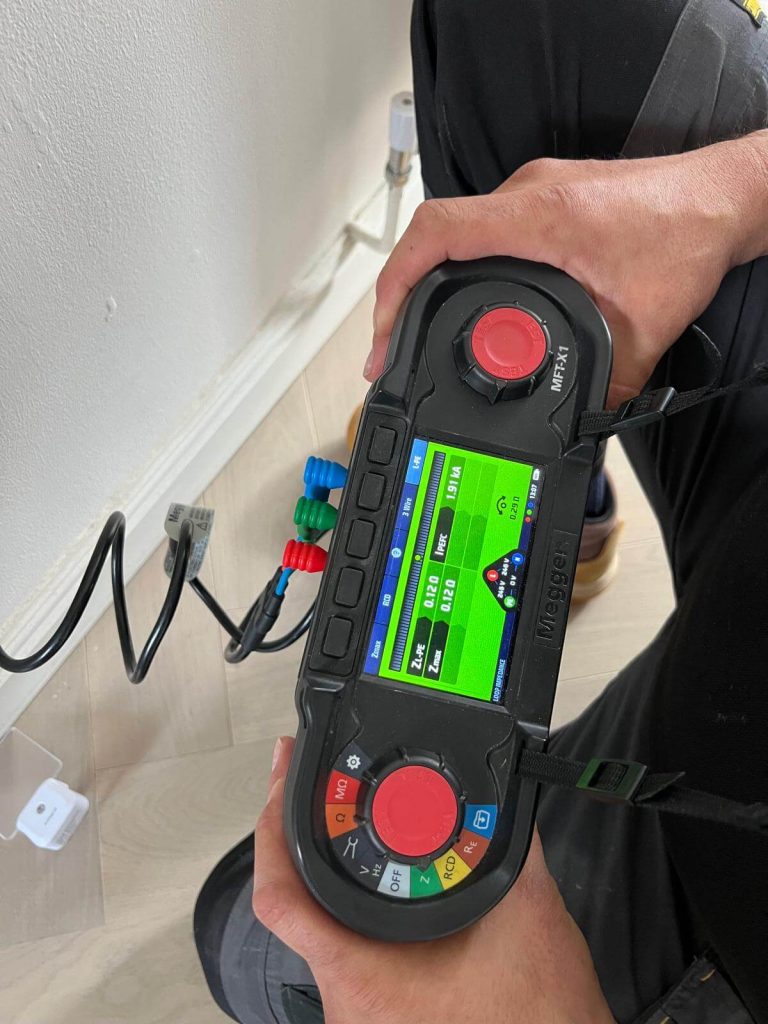
An Electrical Installation Condition Report (EICR) shows which circuits are safe and which are not. If most of the installation is sound, you may only need to replace a few circuits. If the cables are old rubber or lead-sheathed types, or tests show widespread damage, a full rewire usually works out better value than patching.
NICEIC, quoting Electrical Safety First, says a property over 30 years old that still has its original wiring will likely need updating. Age alone does not make wiring unsafe, though. Testing tells you the real condition.
Hidden Costs to Budget For
The electrical quote is rarely the whole cost to rewire a house. Plan for these as well:
- Plastering and redecorating: MyBuilder puts wall and ceiling repairs, painting and floor reinstatement at often £500 to £2,000.
- Difficult access: heavy plaster or awkward voids can add £500 to £2,000, according to the same guide.
- Unforeseen problems: damage found once floors are lifted, which no one can price in advance.
- Time away from home: on a big job you may choose to stay elsewhere for part of the work.
Always ask whether a quote includes making good. Many electricians fill chases but leave plastering and decorating to you.

How Long a Rewire Takes and Why It Affects the Cost to Rewire a House
MyBuilder gives 5 to 10 days for a standard home and 5 to 7 days for a typical three-bedroom house. NICEIC says anything from a few days to a week or two, depending on size and complexity. Larger, older or occupied homes take longer.
Time matters for the cost to rewire a house because labour is a large share of the price. Clearing rooms before work starts and agreeing a clear plan helps the job run to schedule.
When to Rewire to Keep Costs Down
You can keep the cost to rewire a house down by doing it when walls and floors are already disturbed. If you are planning a kitchen, extension or full renovation, rewire first. Doing it after new plaster and decoration means paying to make good twice.
Watch for the warning signs NICEIC lists: burning smells, buzzing sounds, scorched sockets or switches, hot plugs, flickering lights, small shocks, and breakers or RCDs that trip often. If you notice any of these, call an electrician straight away rather than waiting for a planned project. If something smells of burning or a socket is hot, switch off at the consumer unit if it is safe to do so and call our 24/7 emergency electricians.
Certificates and Building Regulations
NICEIC confirms that a rewire in England and Wales is notifiable work under Part P of the Building Regulations. It must be notified to building control, or carried out by an electrician registered with a competent person scheme who can self-certify it.
GOV.UK warns that without the right approval you may not have the certificates of compliance you need when you sell your home. A registered electrician can self-certify the work, so you do not need to arrange building control yourself. As an NICEIC Approved Contractor, we handle the notification for you.
How to Get an Accurate Quote
The only way to know the real cost to rewire a house is a survey of that house. A good quote should be written and itemised. Check it covers:
- the number of sockets, light points and circuits
- the consumer unit, if a new one is included
- smoke and heat alarms, if needed
- testing, certification and building regulations notification
- what making good is included, and what is not
- a realistic timescale
Get two or three quotes, and compare like with like. A much lower price often means something is missing. You can read more in our guides to choosing a house rewire electrician and fuse box replacement costs.
Common questions
How much does it cost to rewire a one-bedroom flat?
The MyBuilder price guide gives a typical range of £3,000 to £4,800 for a one-bedroom flat. Access, the number of points and whether a new consumer unit is needed all affect the final figure.
Does the price include plastering and decorating?
Usually not in full. Most electricians make good their own chases, but plastering and redecorating are often extra. MyBuilder suggests budgeting around £500 to £2,000 for making good.
Is a partial rewire cheaper?
Yes, if the wiring you keep is in good condition. An EICR first tells you which circuits can stay and which must be replaced.
Can I stay in my home during a rewire?
Often yes, though the work takes longer and you will lose power in parts of the house at times. On a full rewire of a larger home, some people choose to stay elsewhere for the noisiest days.
Why do quotes for the cost to rewire a house vary so much?
Quotes differ because they often cover different things. One may include a new consumer unit, alarms and making good, while another leaves them out. Compare itemised quotes line by line.
Does a rewire need building regulations approval?
Yes. It is notifiable under Part P in England and Wales. A registered electrician can self-certify the work, so you do not need to apply separately.
Want a clear figure for the cost to rewire a house in or around Milton Keynes? Our NICEIC approved team brings 35+ years of experience to every job. See our domestic electrical services or call 01908 464 431 to arrange a survey and written quote.
Power problem right now?
24/7 emergency electricians across Milton Keynes.