Commercial Electrical Services: 7 Essential Types Explained
On this page
- What Are Commercial Electrical Services?
- 7 Essential Types of Commercial Electrical Services
- Which Commercial Electrical Services Are Legal Requirements?
- Signs Your Premises Need Attention
- How to Choose a Commercial Electrical Contractor
- What to Expect From the Process
- Planning Commercial Electrical Services Across the Year
- Common questions
Commercial electrical services cover everything a business needs to keep its power safe, legal and reliable: installation, testing, maintenance, repairs and emergency response. Most owners only think about them when something fails. This guide explains the seven main types, what the law expects, and how to choose a contractor, so you can plan the work instead of reacting to it.
What Are Commercial Electrical Services?
Commercial electrical services are electrical work carried out in non-domestic buildings such as offices, shops, restaurants, warehouses, schools and healthcare premises. The work is often larger in scale than domestic jobs. It may involve three phase supplies, multiple distribution boards, life safety systems and buildings that must stay open while work goes on.
The legal framework is different too. In a workplace, the Electricity at Work Regulations 1989 require electrical systems to be constructed and maintained to prevent danger, so far as is reasonably practicable. That duty sits with the employer or person in control of the premises.
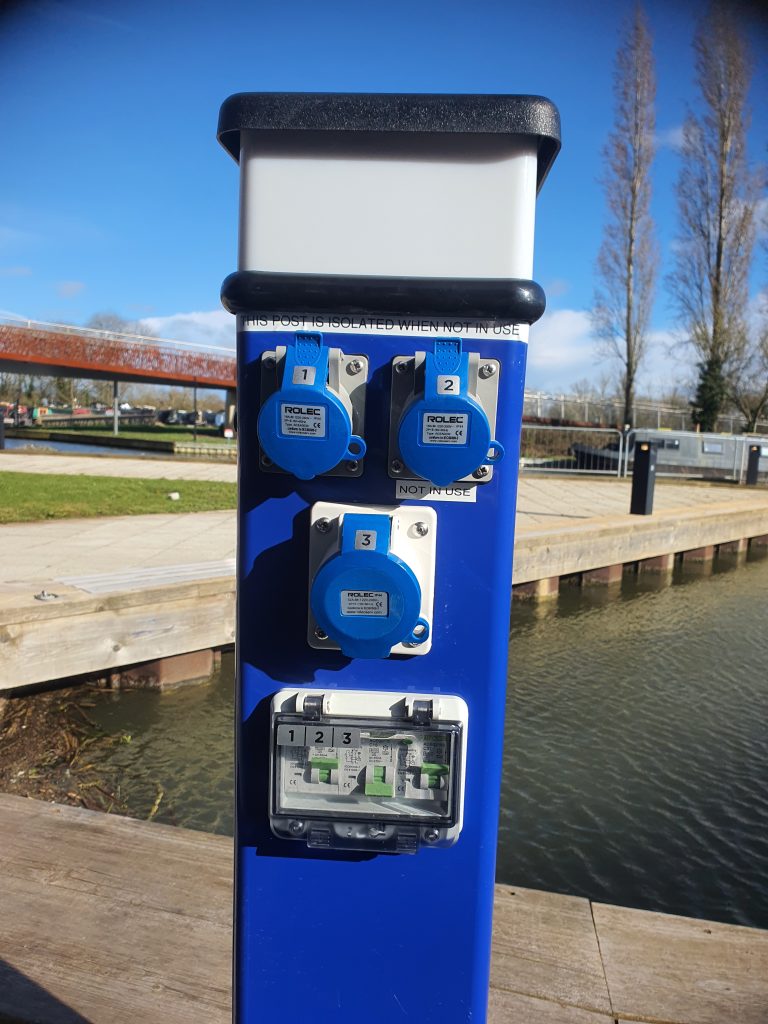
7 Essential Types of Commercial Electrical Services
1. New installations and fit-outs
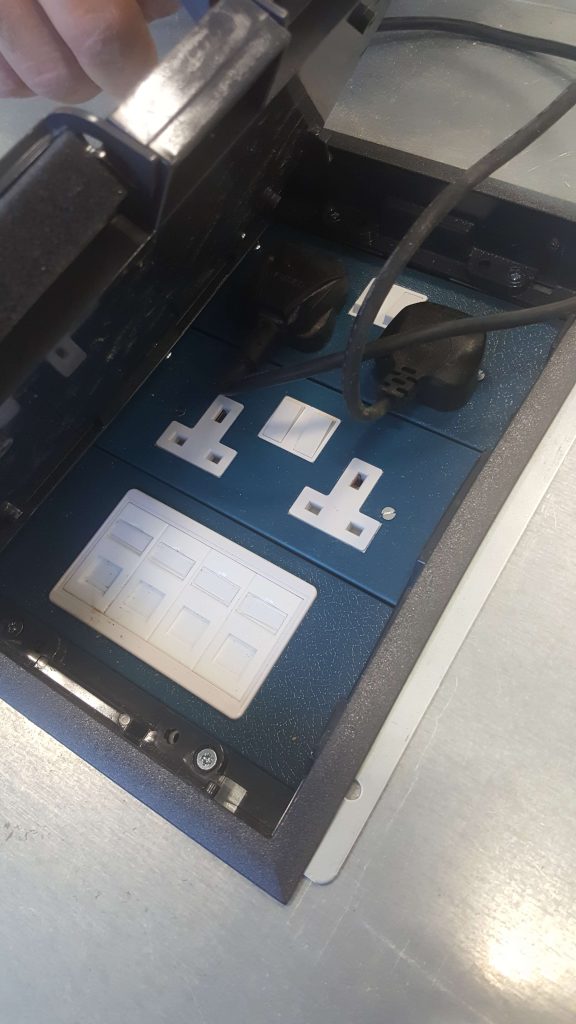
Wiring a new unit, refitting an office or adapting a shop. This includes distribution boards, power and lighting circuits, floor boxes, and containment such as trunking and tray.
2. Inspection and testing
An Electrical Installation Condition Report (EICR) checks the fixed wiring. Under BS 7671, the inspector sets the interval to the next inspection based on the type of installation, how it is used and its environment, and records it on the report.
3. Planned maintenance
Scheduled visits that catch problems before they cause downtime: tightening connections, checking boards, testing RCDs and reviewing changes in load.
4. Fault finding and repairs
Tracing nuisance tripping, power loss or failed circuits, then fixing the cause rather than just resetting a breaker.
5. Life safety systems
Fire alarms and emergency lighting. GOV.UK workplace fire safety guidance says the responsible person must put in place and maintain appropriate fire safety measures, and these systems are a key part of that.
6. Lighting, power and EV charging upgrades
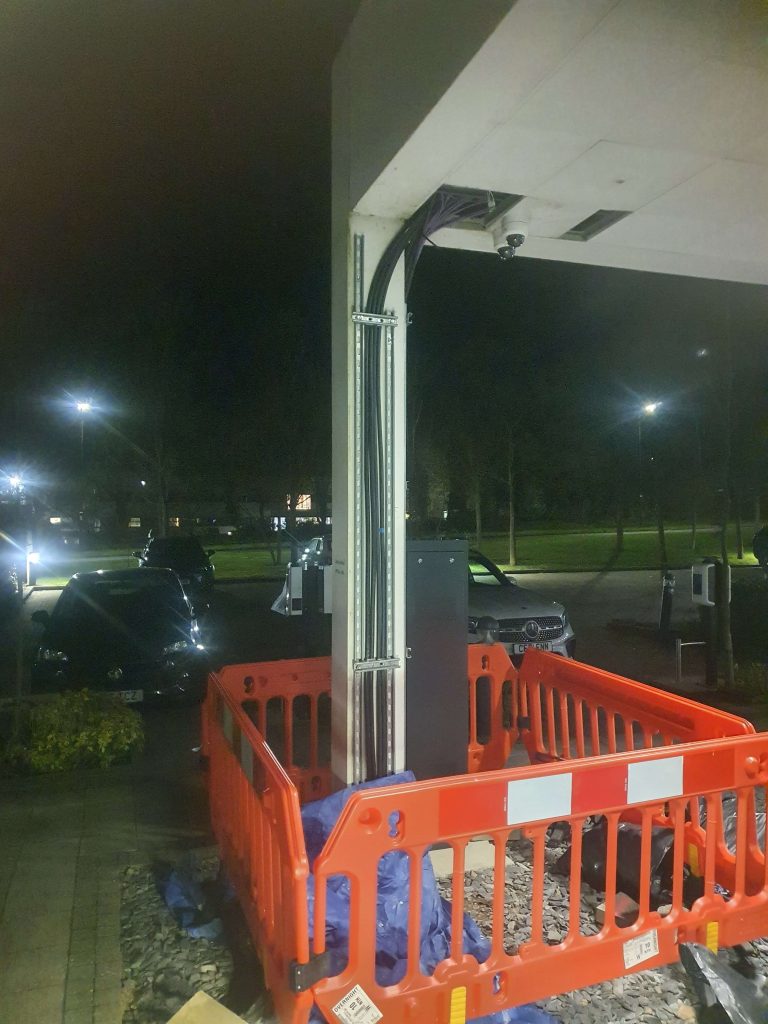
LED lighting, car park lighting, extra sockets and data cabling, and commercial EV chargers for staff, fleet or visitors.
7. Emergency call-outs
A fast response when power fails or a fault becomes dangerous. Our 24/7 emergency electricians cover businesses as well as homes.
Which Commercial Electrical Services Are Legal Requirements?
The law sets outcomes, not a fixed menu. You must keep electrical systems safe, and you must maintain fire safety measures. How you do that is up to you, but you need to be able to show it.
Portable appliance testing is a good example. HSE says PAT is not a legal requirement in itself and does not have to be done every year. The duty is to maintain equipment that could cause injury in a safe condition, using a risk-based approach. A construction site needs more frequent checks than an office.
Our practical comment: a current EICR, records of maintenance and repairs, and fire alarm and emergency lighting logs together make the clearest evidence that you are meeting your duties. Keep them in one place.
Signs Your Premises Need Attention
Many calls for commercial electrical services start with a small symptom. Watch for:
- breakers or RCDs that trip repeatedly
- lights that dim when equipment starts
- warm sockets, plugs or switches
- burning smells or scorch marks
- extension leads used as permanent wiring
- an EICR that is overdue or missing
Heat and burning smells are urgent. Most other signs can be booked in, but should not be left for months. For more on safe practice, read our guide to commercial electrical safety.
How to Choose a Commercial Electrical Contractor
The right contractor saves you time and protects your business. Check these points before you commit:
- Accreditation: look for NICEIC Approved Contractor status or similar, and check it on the scheme’s register.
- Commercial experience: ask about similar premises and systems, such as three phase boards or fire alarms.
- Insurance: ask for proof of public liability cover.
- Clear quotes: written scope, exclusions and timescales.
- Certification: new work should come with certificates; inspections with a full report.
- Working around you: can they work early, late or at weekends to limit disruption?
- Emergency cover: who answers when something fails out of hours?
A single contractor who handles installation, testing and maintenance also builds up knowledge of your building, which speeds up fault finding later. Our guide on what a commercial electrician does explains the role in more detail.
What to Expect From the Process
Good commercial electrical services follow a clear sequence:
- Survey: the electrician visits, reviews existing records and agrees the scope.
- Quote and programme: a written price and a plan that fits your opening hours.
- Work: isolations are planned and communicated so staff know when power will be off.
- Testing and certification: work is tested and certified, and you receive the paperwork.
- Records and next steps: any observations are explained, with a date for the next inspection.
Plan bigger jobs, such as fit-outs or supply upgrades, early. Work involving the network operator, such as a three phase upgrade, can take time to arrange.
Planning Commercial Electrical Services Across the Year
The simplest way to control cost is to plan commercial electrical services as a calendar, not a series of call-outs. A basic plan looks like this:
- Ongoing: staff report faults, warm sockets and damaged leads to one named person.
- Regularly: fire alarm and emergency lighting checks, logged as you go.
- As set by risk: portable equipment checks, more often for equipment that is moved or used hard.
- As set on the report: the next EICR, booked well before the due date.
- Before any change: a load check when you add machinery, kitchens or EV chargers.
Our practical comment: grouping commercial electrical services into fewer, planned visits usually means less disruption and fewer surprises than waiting for things to fail.
Common questions
What do commercial electrical services usually include?
Installation, inspection and testing, maintenance, fault finding, life safety systems, upgrades such as LED lighting and EV chargers, and emergency call-outs.
How often does a business need an EICR?
There is no single figure. The inspector sets the next date based on the type of installation, its use and its environment, and records it on the report.
Is PAT testing a legal requirement?
Not in itself, according to HSE. The legal duty is to keep equipment safe, and PAT is one common way to show you do.
Can a domestic electrician do commercial work?
Some can, but commercial sites often involve three phase supplies, larger boards and fire systems. Ask about relevant experience first.
Can work be done without closing the business?
Often, yes. Isolations can be phased and work scheduled out of hours to keep disruption low.
Need commercial electrical services in or around Milton Keynes? Our NICEIC approved team brings 35+ years of experience to offices, shops and industrial units. See our commercial electrician page or call 01908 464 431, 24/7 for emergencies.
Power problem right now?
24/7 emergency electricians across Milton Keynes.