Electric Vehicle Chargers: 7 Best Tips for New EV Drivers
On this page
Electric vehicle chargers are the units that supply power from your electricity supply to your car’s battery, at home, at work or in public places. For most drivers, a dedicated home charger does most of the work, topped up by workplace or public charging. This beginner’s guide explains the basics in plain English, so you know what to ask before you buy or install anything.
We are NICEIC approved electricians in Milton Keynes with 35+ years of experience, and we install home and commercial EV chargers across the area.
What Are Electric Vehicle Chargers?
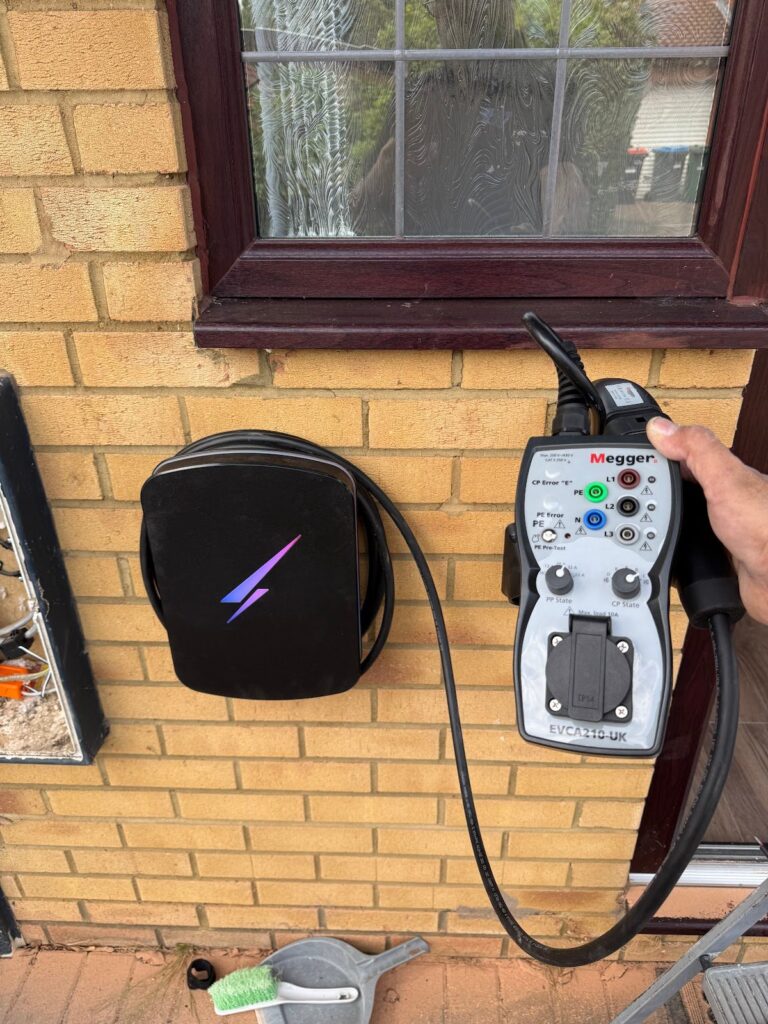
An electric vehicle charger is a fixed unit with built-in safety controls that talks to your car to manage charging. There are three places you will use one:
- At home: a wall-mounted charger, often called a wallbox, on a driveway or garage wall.
- At work: chargers in a workplace car park for staff, visitors or fleet vehicles.
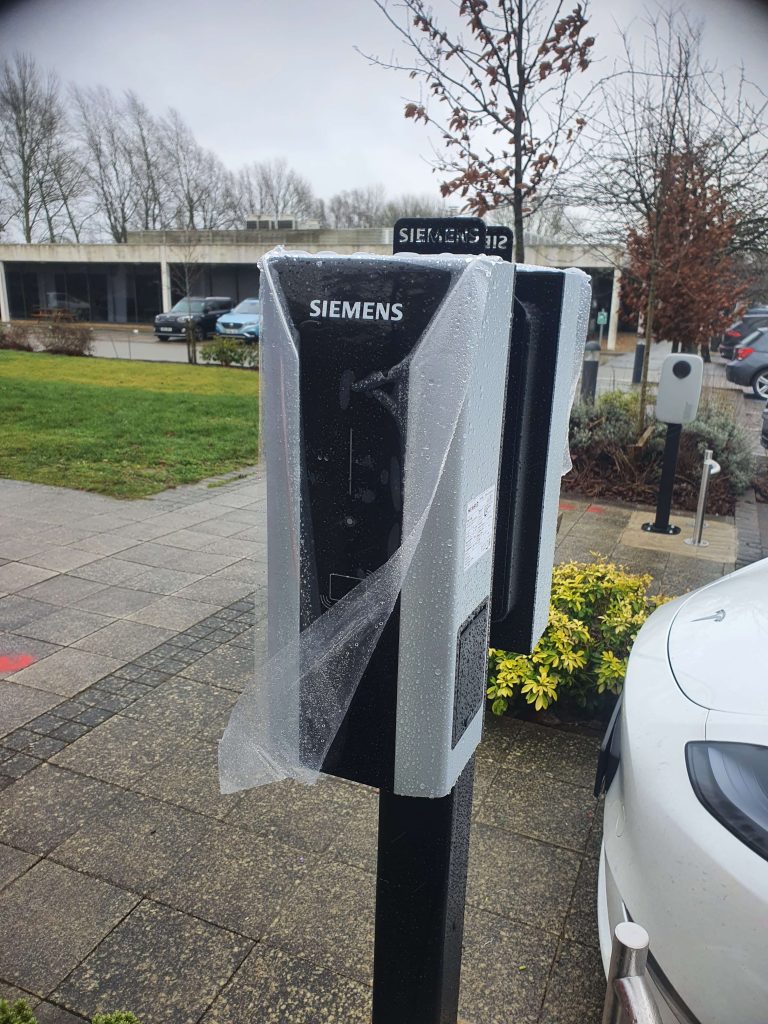
- In public: chargers at car parks, supermarkets and motorway services, including rapid chargers for quick top-ups on long journeys.
Home and workplace electric vehicle chargers usually supply AC power, and your car converts it to charge the battery. Public rapid chargers usually supply DC power straight to the battery, which is faster but needs much larger equipment. For a detailed comparison, see our guide to EV charger types.
7 Things New EV Drivers Should Know About Electric Vehicle Chargers
1. A Home Charger Beats a Three-Pin Plug for Regular Use
Many cars come with a cable that plugs into an ordinary socket. It works, but it is slow and puts a heavy load on a socket for hours at a time. If you need to use one, have an electrician check the socket and circuit first. For everyday charging, a dedicated home charger on its own circuit is safer and quicker.
2. Home Chargers Must Be Smart
The Electric Vehicles (Smart Charge Points) Regulations 2021 set rules for charge points sold for homes and workplaces. They cover smart functionality, off-peak charging and security. In practice, a compliant charger connects to an app so you can schedule charging for cheaper off-peak tariffs.
3. Your Electricity Supply Matters
Most homes have a single-phase supply, which suits a typical home charger. Faster 22kW chargers need a three-phase supply, which is more common in commercial buildings. Before installation, your electrician should check that your supply, main fuse and consumer unit can take the extra load.
4. Off-Street Parking Makes Life Easier
A home charger needs to reach the car safely, so it normally needs a driveway or private parking space. Trailing cables across a pavement is a trip hazard. If you only have on-street parking, there is a separate grant for approved cross-pavement solutions, covered below.
5. Choosing the Right Charger Is Worth the Time
Electric vehicle chargers vary in power, smart features, cable type and app quality. Tethered units have a fixed cable. Untethered units need you to plug in your own cable. Our guide to the best EV charger for home walks through the choices.
6. Installation Is a Job for a Qualified Electrician
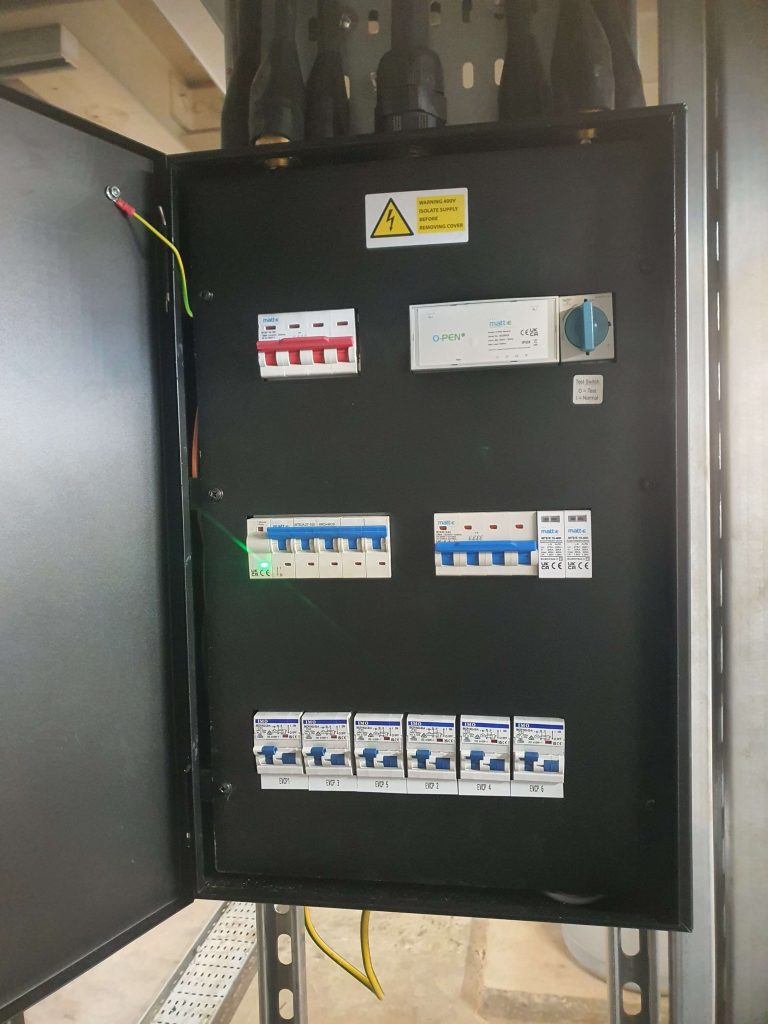
Installing electric vehicle chargers involves a new circuit, suitable protection and careful earthing. The work must meet the current Wiring Regulations, BS 7671. A good installer will survey your property, explain the cable route and give you a certificate when the job is done.
7. Costs Vary by Property
The price depends on the charger, the cable run, and whether your consumer unit or supply needs upgrading. Our guide to EV charger installation cost explains what affects the final figure.
Government Grants for Electric Vehicle Chargers
GOV.UK says five chargepoint grant schemes are available until 31 March 2027. Here is a short summary:
- Renters and flat owners: up to £500 towards a home charger, covering 75% of the cost up to that limit. You must have private off-street parking.
- Households with on-street parking: up to £500 towards installation, where a cross-pavement solution such as a charging gully is fitted.
- Landlords: up to £500 per socket, for up to 200 sockets across all sites.
- Workplace Charging Scheme: up to £500 per socket, for up to 40 sockets, for businesses, charities and public sector organisations.
- State-funded education institutions: up to £2,000 per socket, for up to 40 sockets.
Note that people who own and live in a house are not eligible for the renters and flat owners grant. Eligibility rules are detailed, so check GOV.UK before you rely on a grant.
Electric Vehicle Chargers for Businesses
Workplace electric vehicle chargers can serve staff, visitors and fleet vehicles. Commercial sites often have a three-phase supply, which allows faster chargers and several units on one site. Load management can share the available power between chargers, so you do not need to upgrade your supply as soon as you add more. For more on this, see our EV charger installation page.
Looking After Electric Vehicle Chargers
Electric vehicle chargers need little day-to-day care, but a few simple checks keep them safe and reliable:
- Check the cable and plug for cuts, cracks or crushed sections before you use it.
- Coil or hang the cable after use so it is not driven over or left in water.
- Keep the charger’s app and software up to date.
- Stop using it and call an electrician if it shows a fault, trips repeatedly or feels hot.
- Make sure the charger circuit is included when your electrics are inspected.
If something does go wrong, do not open the unit yourself. Electric vehicle chargers carry high currents for long periods, so faults need a qualified electrician.
Common questions
Do I need a special charger for an electric car?
You can use a standard socket with the right cable occasionally, but a dedicated home charger is safer and faster for regular use.
Can I install an EV charger myself?
No. It involves a new circuit and specific safety requirements, so it should be installed by a qualified, registered electrician who can certify the work.
Can I get a grant for a home charger?
If you rent, or own and live in a flat, and have private off-street parking, you may be eligible for up to £500. Owners of houses are not eligible for that grant. Check the current rules on GOV.UK.
Will my house need a supply upgrade?
Many homes do not, but some need a consumer unit upgrade or other changes. A survey will confirm what your property needs.
Are electric vehicle chargers weatherproof?
Chargers designed for outdoor use are built to cope with the weather. The cable and connections must also be installed to suit an outdoor location.
Last checked: 31 October 2026.
Ready to install a home or workplace charger? Our domestic electricians install EV chargers across Milton Keynes. Call 01908 464 431 for a survey and quote.
Power problem right now?
24/7 emergency electricians across Milton Keynes.