Landlord EICR Certificate: 6 Essential Deadlines for 2026
On this page
- What Is a Landlord EICR Certificate?
- How to Read Your Landlord EICR Certificate
- 6 Essential Deadlines for Your Landlord EICR Certificate
- What Changed in 2026
- What to Do If the Result Is Unsatisfactory
- Preparing the Property for Inspection
- How This Fits With Your Other Safety Paperwork
- Tips for Managing EICRs Across Several Properties
- Common questions
A landlord EICR certificate is the Electrical Installation Condition Report that proves a rented home’s wiring has been inspected and tested. In England, you need a new one at least every five years, and you must share it with tenants and the council on fixed deadlines. This guide explains how to read the report, who gets a copy and when, and what changed in 2026.
If you want the wider picture on costs and booking, see our guide to EICRs for landlords in Milton Keynes. This post focuses on the paperwork itself.
What Is a Landlord EICR Certificate?
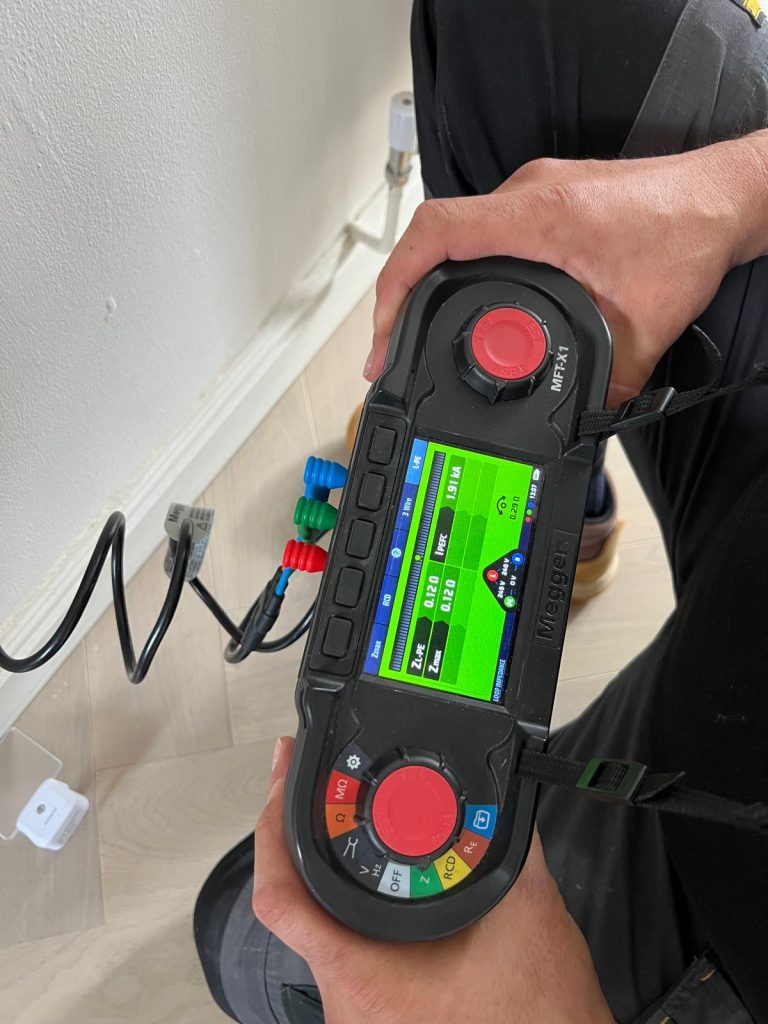
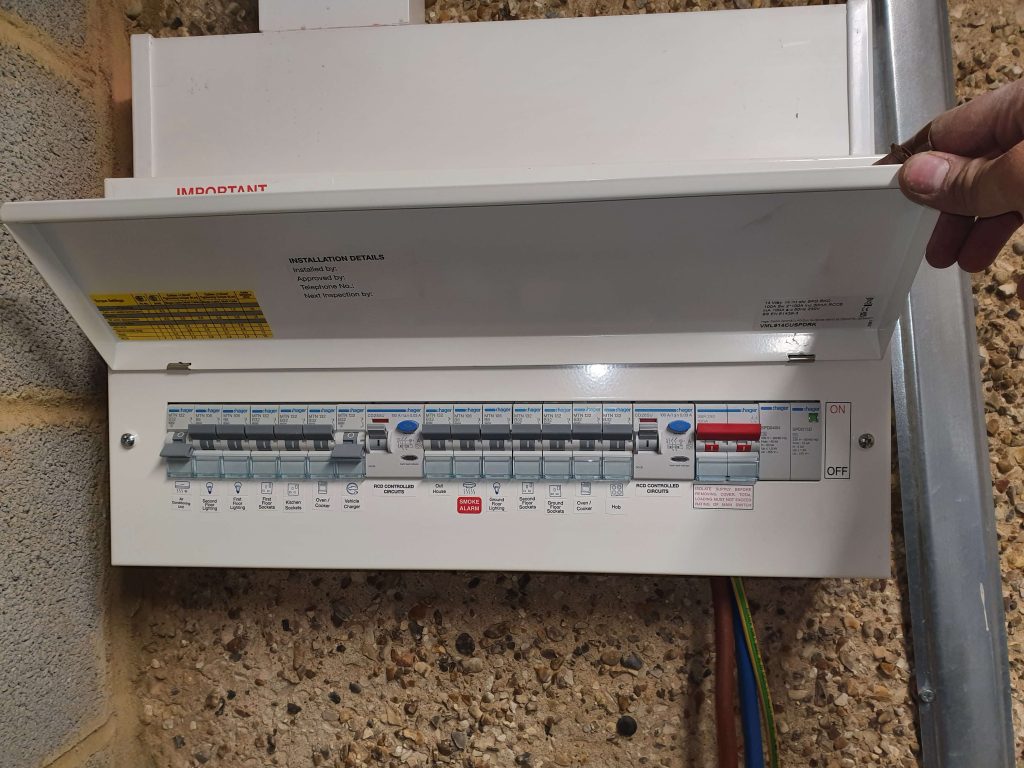
Strictly, it is a report, not a certificate. An EICR records the condition of the fixed electrical installation: the consumer unit, wiring, sockets, switches and fixed fittings. Letting agents and tenants usually call it a landlord EICR certificate, so we use both terms here. Whatever you call it, the document must come from a qualified person and show the results of each test along with the date of the next inspection.
The legal duty comes from the Electrical Safety Standards in the Private Rented Sector and Social Rented Sector (England) Regulations 2020. Regulation 3 requires inspection and testing by a qualified person at intervals of no more than five years, or sooner if the last report says so.
How to Read Your Landlord EICR Certificate
Start with the overall result on the summary page of your landlord EICR certificate. It will say “satisfactory” or “unsatisfactory”. Then read the observations, which list anything the inspector found, each with a code.
The four classification codes
NICEIC’s best practice guide on classification codes defines them as:
- C1 – Danger present: risk of injury, immediate remedial action required.
- C2 – Potentially dangerous: urgent remedial action required.
- C3 – Improvement recommended: not dangerous, but improvement would make it safer.
- FI – Further investigation required without delay: something could reveal danger and needs checking.
Any C1, C2 or FI makes the overall result unsatisfactory. C3 items alone do not. That matters, because a report with only C3 observations is still a pass.
Check the next inspection date
The inspector records when the next inspection is due. If it is less than five years, that shorter date is the legal deadline for your next landlord EICR certificate.
Our practical comment: older installations are not automatically unsafe. A property can pass with older equipment, as long as nothing is coded C1, C2 or FI. Equally, a new amendment to the wiring regulations does not make a valid report invalid.
6 Essential Deadlines for Your Landlord EICR Certificate
Regulation 3 sets clear time limits. Missing them is a breach, even if the property is safe.
- Existing tenants: give each tenant a copy within 28 days of the inspection.
- New tenants: give the latest report before they move in.
- Prospective tenants: provide a copy within 28 days of a written request.
- The council: send a copy within 7 days of a written request from the local housing authority.
- Remedial work: where the report requires it, complete the work within 28 days, or sooner if the report gives a shorter period.
- Proof of the fix: get written confirmation from a qualified person that the work is done, then send it with the report to each tenant and the council within 28 days of completion.
Here is how that works in practice. Say the inspection takes place on 2 March and the report needs remedial work, with no shorter deadline given. Tenants need their copy by 29 March, and the work must be finished by 29 March too. If the work is completed on 20 March, the written confirmation must reach tenants and the council within 28 days of that date.
You must also keep a copy of each landlord EICR certificate until the next inspection is due or done, whichever is later. The regulations also require you to give a copy to whoever carries out the next inspection.
What Changed in 2026
The five-year inspection rule has not changed. What changed is how the duty is presented and enforced.
Written statement of terms
Under the Renters’ Rights Act 2025, private landlords in England must give tenants a written statement of terms. The Written Statement of Terms Regulations 2026 came into force on 1 May 2026. Where the electrical safety regulations apply, the statement must explain that the landlord must meet electrical safety standards, have the installation inspected and tested at least every five years, and give the tenant a copy of the report.
Social housing included
Amending regulations made in 2025 extended the duties to the social rented sector, with the remaining provisions in force from 1 May 2026.
Higher penalties
The amended regulation 11 now allows a local housing authority to impose a financial penalty of up to £40,000 for a breach.
Our practical comment: the written statement now tells tenants exactly what to expect. If a tenant asks for the landlord EICR certificate, have it ready to send the same day.
What to Do If the Result Is Unsatisfactory
Do not panic, but act quickly. Book the remedial work straight away and agree a date within the 28-day limit, or the shorter period on the report.
For C1 items, ask the inspector to make the danger safe before they leave, for example by isolating the affected circuit. If a fault leaves tenants without power or with a hazard, call our 24/7 emergency electricians.
Once the work is done, you need the written confirmation described above. Your landlord EICR certificate plus that confirmation together show the property now meets the standards.
Preparing the Property for Inspection
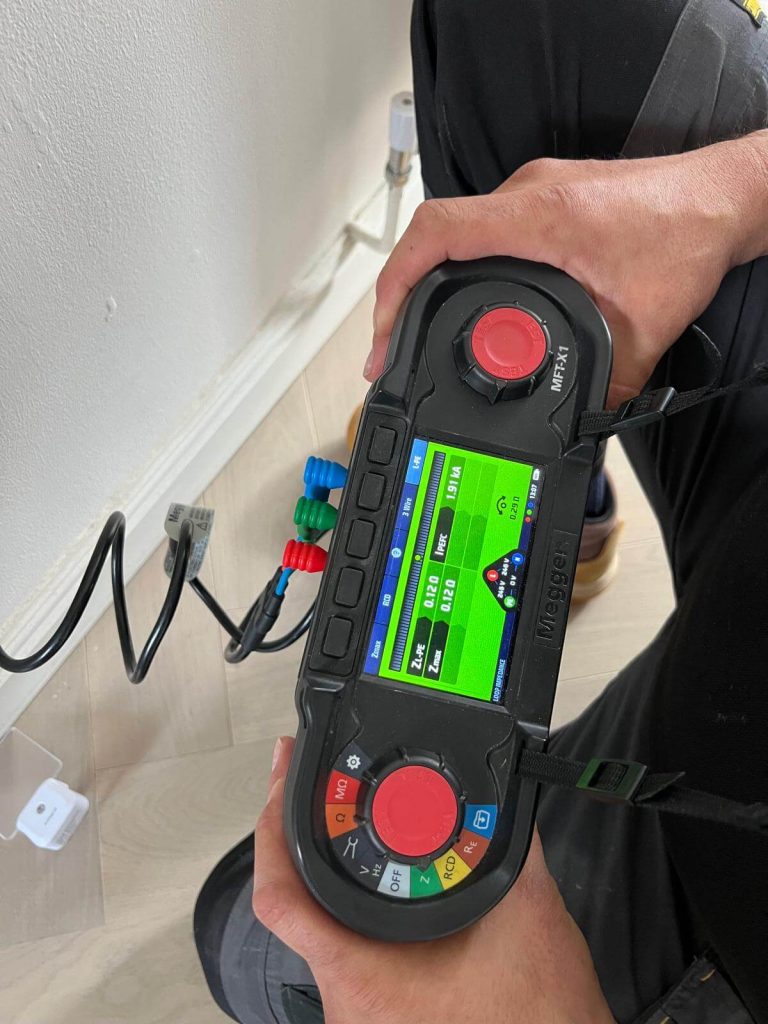
A smooth inspection gives you a clearer landlord EICR certificate and avoids a return visit. Most delays come from access, not from faults.
- Give tenants notice: agree a date in writing and explain that power will be off for short periods.
- Clear access: the inspector needs to reach the consumer unit, sockets, switches, light fittings, the loft and any outbuildings with power.
- Share the last report: it shows what was found before and whether earlier items were fixed.
- Mention known problems: tripping circuits, scorch marks or DIY additions help the inspector target the testing.
- Plan for data and alarms: tenants working from home should save their work before the power goes off.
Our practical comment: if parts of the property cannot be accessed, the report has to record those limitations. A landlord EICR certificate with large areas not inspected gives you less protection, so it is worth sorting access first.
How This Fits With Your Other Safety Paperwork
The landlord EICR certificate covers the fixed electrical installation only. It sits alongside other records, not instead of them.
Gas safety is a separate check under the Gas Safety (Installation and Use) Regulations 1998, and the 2026 written statement rules require that duty to be explained to tenants too. Portable appliances you supply, such as a kettle or washing machine, are not part of the fixed installation, so they are not covered by the EICR itself. Social landlords have an added duty to have electrical equipment they provide tested.
Keep all of these together, with dates, so you can answer a tenant or council request quickly.
Tips for Managing EICRs Across Several Properties
- Keep a simple list of each property, its report date and the next due date.
- Book the next inspection a few months before the due date.
- Store reports as PDFs so you can send them within the 7-day and 28-day limits.
- Record when and how you sent each copy to tenants.
- Ask the inspector to explain any C3 items, so you can plan improvements between tests.
New to the terminology? Our guide to what EICR means covers the basics.
Common questions
How long is a landlord EICR certificate valid?
Up to five years in England, or less if the inspector sets an earlier date on the report.
Who can carry out a landlord EICR?
The regulations require a qualified person. In practice, choose an electrician registered with a scheme such as NICEIC who regularly carries out periodic inspections, and check they hold insurance.
Does a C3 code mean my property failed?
No. C3 means improvement recommended. Only C1, C2 or FI make the overall result unsatisfactory.
Do I need a new EICR for every new tenancy?
Not if the current report is still in date. You must give the new tenant a copy before they move in.
Can I email the landlord EICR certificate to tenants?
The regulations require you to supply a copy. Many landlords send a PDF by email and keep a record of when it was sent.
Has the Renters’ Rights Act changed the five-year rule?
No. The interval is still at least every five years. From 1 May 2026, the written statement of terms must explain the electrical safety duties to tenants.
Last checked: 31 October 2026, against legislation.gov.uk. Rules apply to England.
Need a landlord EICR certificate in Milton Keynes? Our NICEIC approved team brings 35+ years of experience to rented homes of every size. See our EICR and electrical testing service or call 01908 464 431.
Power problem right now?
24/7 emergency electricians across Milton Keynes.